
Dos Bros · Short films, open models, and whatever card you've already got
What can you make on
your own card?
A short film challenge for work made with open-weight models, generated on your own machine. Three weight classes by VRAM — 8GB, 16, 24+ — so you're up against hardware like yours.
90 seconds to 3 minutes. Free to enter. $500 prize. You keep your film.
How it works
Four steps.
All of them free.
You sign up
Takes a minute
Your weight class and a line about what you'd make. No film needed yet, and it commits you to nothing.
We start it
When there's a field
Once there's a proper field, everyone gets the same email the same day — start date, deadline, and the one element every film must include.
You make it
90 seconds to 3 minutes
Every frame from open-weight models on your own card. Titles and transitions don't count, audio is yours, edit however you like. Upload to YouTube tagged #DosBrosChallenge.
Judges pick
Publicly, with receipts
A named panel you can see before entering, plus a community vote. We publish the reasoning and every payout.
Weight classes
You compete against
hardware like yours.
Getting a coherent character out of 8GB on GGUF quants is a genuinely harder problem than brute-forcing it on a 5090. So we score you against people solving the same problem — and the Grand Prize is still open to all three classes.
Featherweight
8GB and under
A 3060 Ti, a 2080, a laptop 4060. Slower and tighter — and the most impressive place to win from.
Middleweight
9–16GB
A 3060 12GB, a 4070, a 5060 Ti. The card most people already have in a gaming PC.
Heavyweight
17GB and above
3090, 4090, 5090. Consumer flagships only — no H100s, no rented clusters.
Why open weights
The tools got good because
people gave them away.
Wan, LTX-Video, HunyuanVideo, Flux, Qwen — every model you'd use here exists because somebody released the weights instead of renting them to you.
The custom node you rely on was written by one person on a weekend and posted for nothing. The trick that finally got your character consistent across shots came from a stranger in a Discord who had no reason at all to tell you. That's a remarkable way for a field to work, and it's how this one has worked so far.
It's also fragile. Nearly all the money in AI video is going into models you can only rent, and the good workflows keep getting posted into threads that are unsearchable a month later. Nobody's paying to document any of it, because there's nothing to sell you at the end.
So no, Veo, Kling, Sora, Runway, Luma and Midjourney aren't allowed here — and that's not us picking a fight with them. They're good. Sending a job off to a datacenter genuinely gets you more power than a card in your desk, and pretending otherwise would be silly. We're not trying to prove they're bad, and we're not competing with them.
We're interested in the other question, which nobody seems to be asking: what's actually possible on the machine you already have? There are neat things happening locally right now — character consistency out of quantised models, sound generated on the same box that made the picture, tricks people invented at 2am and posted to a Discord. Almost none of it gets shown off properly, because the showcase always goes to whatever had the biggest render farm behind it.
Open source thrives on demonstration. People adopt the free tools when they see somebody do something great with them — not when someone argues they're philosophically preferable. So the rule isn't a protest. It's a focus. Everything here runs on tools anybody can download and use for nothing, and the point is to find out how far that actually goes.
Let's prove it's further than people think.
Who's doing this
We're two brothers
who make animations.
We've been in this scene a while — thousands of renders between us, most of them bad, a handful we're properly pleased with.
It all runs locally, on cards we originally bought to play games on. We know the ComfyUI graph held together with custom nodes because we've got one. We know the feeling of leaving something going overnight and coming down in the morning to find out whether it worked.
And the thing that kept nagging at us: we'd see something genuinely great scroll past — someone's character work holding across eight shots on a 3060, a sequence that obviously took forty attempts to land — and it'd pick up a dozen upvotes and vanish. There's a huge amount of good work in this scene that nobody ever really gets to see, and no occasion built around looking at it.
So: what if there were somewhere that made a bit of a fuss about it? Not a platform, not a startup, nothing to sign up for beyond an email. A challenge, a screening, an archive, and a small pot of money to get people moving.
About that $500
It's small on purpose, and we think that's a feature. Small enough that nobody's faking a render log to steal it, and small enough that the whole thing stays about the films rather than the prize. Nobody's turning up here for the payday.
But it isn't nothing, either. If you're building something on your own, $500 is a card upgrade, or a month of not thinking about it. That felt like the right size — enough to matter to somebody indie, not enough to distort anything.
Honestly, we'd run this for nothing. We just figured if we're asking people to spend a few weekends on it, we should put something on the table to get it started. Why not, really.
What the showcase becomes
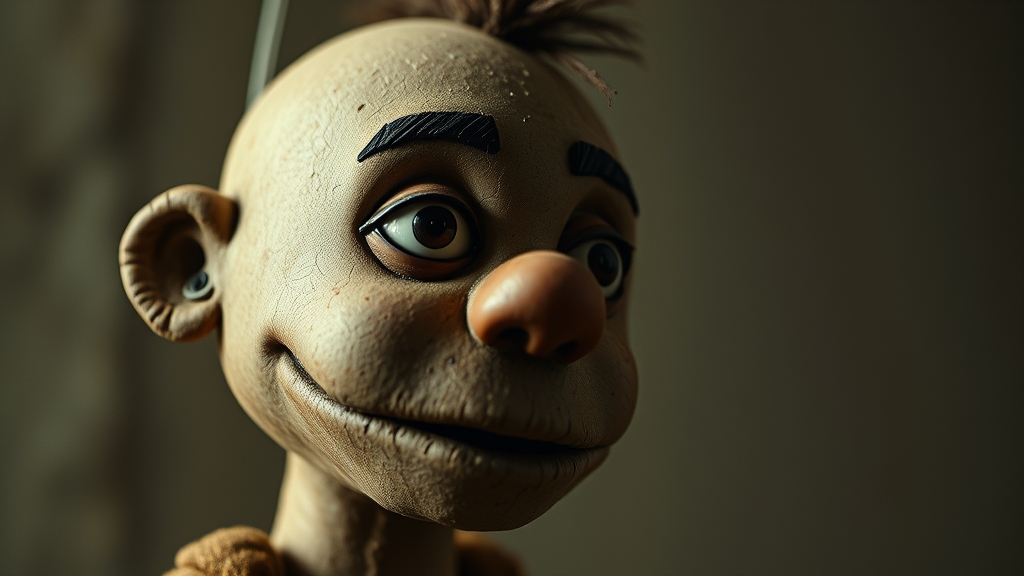
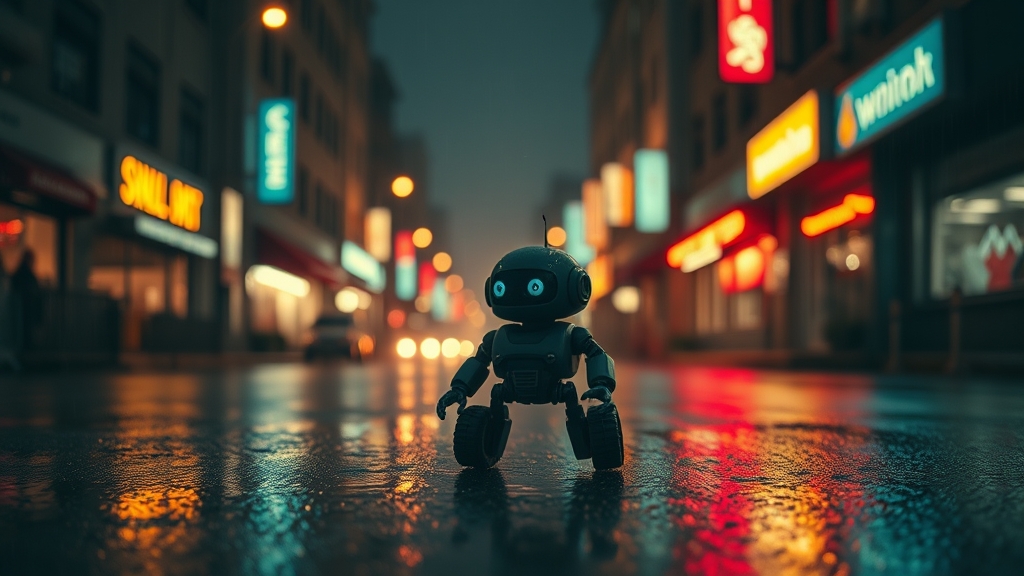
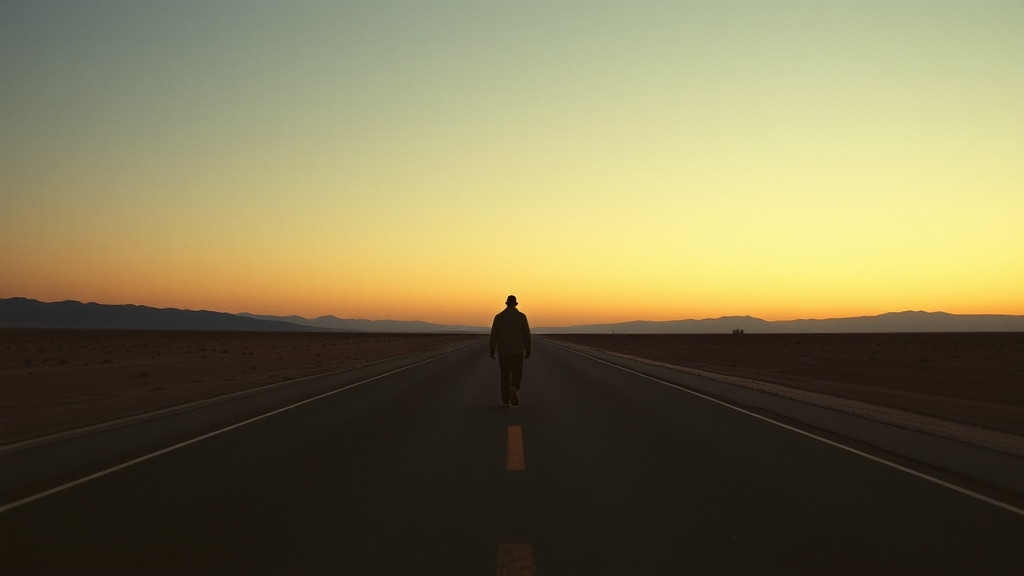
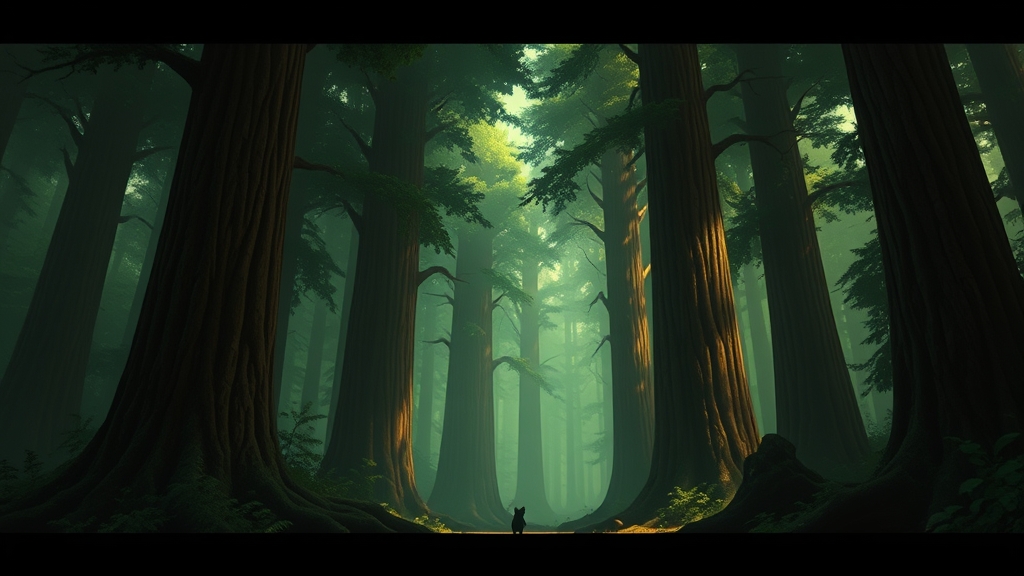
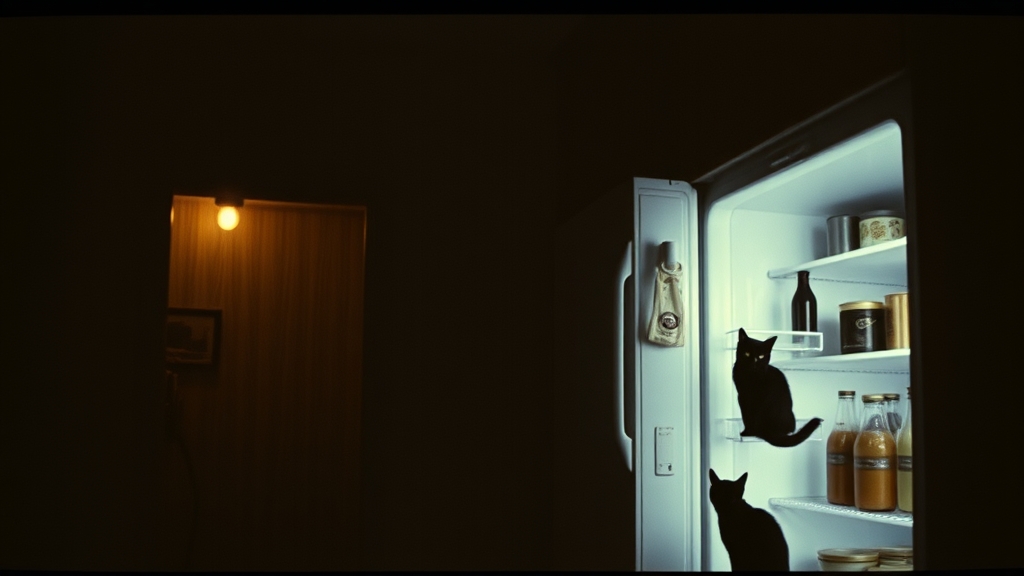
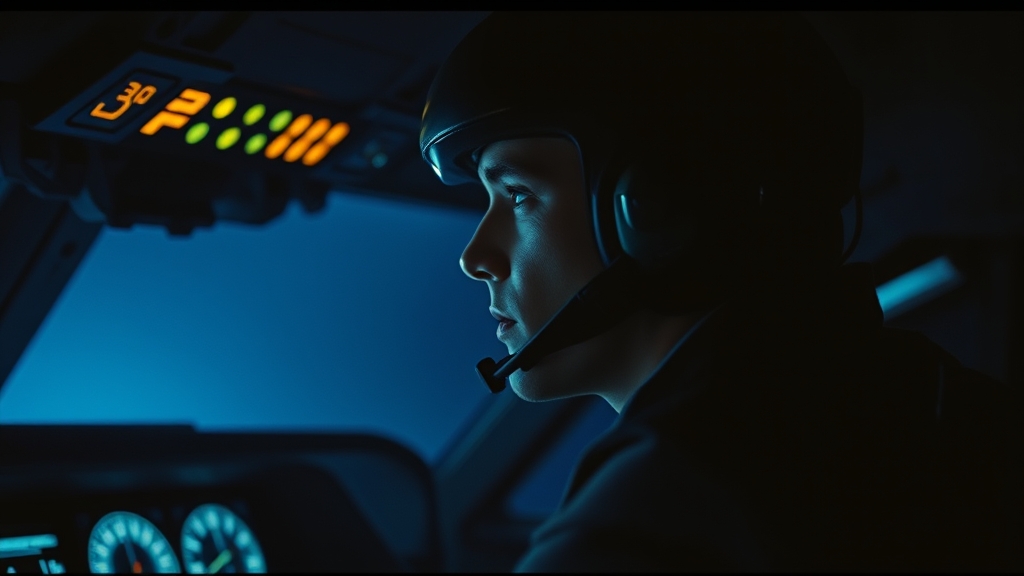
This fills up with entries once a round runs — each one made on somebody's own card.
What we won't screen
Keep it something we can
put on the front page.
Everything selected gets embedded on this site and played in the showcase, so the bar is simply: could we put it in front of anybody? Action, tension, peril, dark themes handled with craft — all completely fine. The full wording is in the rules.
Keep it SFW
Shareable anywhere
If we couldn't put it on the front page, it's out. Attractive characters, romance, tension, violence handled with craft — all completely fine. Explicit content isn't. The detail's in the rules.
No real people
The one we won't budge on
No celebrity LoRAs, no face swaps, no recognisable public figures. Original characters, creatures and stylised humans are all fine — as are you, in your own footage.
Nothing auto-publishes
A human looks first
One of us reviews every entry before it's visible anywhere — that's what makes the rule above enforceable rather than decorative. Entrants must be 18 or over.
We're stricter on likenesses than most competitions, deliberately. The open-model world has a real reputation problem around non-consensual faces, and this exists to show what the open ecosystem is for. One bad entry becomes the whole story about it.
Fancy judging instead?
Some people would rather
watch than make.
If that's you, we'd genuinely love the help. Sitting with fifty films, working out which ones actually landed and arguing the case for them, is its own kind of fun — and it's a real contribution.
We could go and borrow some recognisable names for the panel. We'd rather it came from people who use these tools. So there's no invitation-only tier: send us a couple of links and a line about what you make or what you're into, and that's the whole application. No CV.
You can't judge a round and enter the same one, obviously. Past that we're not precious about it — judge one and enter the next, judge every one, dip in when you fancy it. Whatever suits you.
And if you think there's a better way to run a panel, tell us that too. We've made a lot of this up. Plenty of it will turn out to be wrong, and we'd much rather hear a good idea early than defend a bad one later.
Whoever ends up on it goes up on this site by name before signups open, so entrants know who's deciding. There's a separate community vote as well — the panel isn't the only voice in the room.
Not the only game in town
There are bigger ones.
Go and enter those too.
There's a whole calendar of AI film competitions running right now, several with prize pools that make ours look like pocket change. We keep a list.
It seemed daft not to. If you've made something good, you should be entering it everywhere it fits — and we'd rather point you at the ones with $65,000 on the table than pretend they don't exist. Some of them are excellent.
And afterwards, we'll publish the complaints
After every round we put out a retrospective — what we paid and when, what people told us, and what we're changing because of it. Including the criticism, unedited.
We can promise that credibly because we're small — at this size we'll be reading everything people send us anyway.
Questions people ask
Fair enough.
Which models can I use?
Anything whose weights you can download — Wan, LTX-Video, HunyuanVideo, Flux, Qwen-Image, SDXL, and plenty more. Full list in the rules, and you can ask us to add one.
If you can't download it, it's out: no Veo, Sora, Kling, Runway, Luma or Midjourney. That's deliberate, and it isn't a knock on them — a datacenter really does give you more power than your desk. We're just interested in a different question: how far can you get on tools anyone can download for free? That only gets answered if everybody's working with the same kit.
Does it have to run on my machine?
On a consumer machine — yours, a friend's, the one at work. We're checking the graphics card, not the receipt. What's out is datacenter hardware and hosted services, including ones that run open models for you. Render logs print the card, which is how we can actually enforce it.
Do I have to give away my workflow?
No — not to enter, and not to win. We nearly made it the price of a prize and decided against it — open source didn't get here by forcing anyone to share. All we require is an attestation: which models, which card, which weight class.
But we'd love it if you did, and we've tried to make it worth doing. Entries that share get a Shared mark in the showcase, a permanent spot in the workflow archive, and eligibility for Most Useful Workflow — a community-voted award. Partial counts: just the prompts, just a seed, or one sentence about the thing that finally worked. You keep copyright in the film either way.
When does it actually start?
When enough people have signed up to make it a proper field. We'd rather wait for that than announce a date and hope. Everyone finds out the same day by email — and if it turns out there aren't enough of us, we'll email you that too rather than leave a dead page up.
Does every single frame have to be AI?
Yes — the picture should be the model's work, not a camera's. No live action, stock, photography, hand-drawn cels or 3D renders standing in as shots. It's stricter than most competitions on purpose: the question is what these models can do, and that gets murky the moment a real camera helps out.
Titles, credits, subtitles and transitions don't count as frames — models are still bad at text and nobody should lose over a wobbly title card. Colour, compositing, VFX and conventional upscaling on top of AI frames are all fine too.
What about music and sound?
Do whatever you like. Generate it, score it, license it, record it in a cupboard — audio isn't what we're testing.
One warning worth heeding: your film lives on your own YouTube channel, and copyrighted music gets videos muted, blocked or claimed. A blocked entry can't be watched or judged. Use something you made, something you've licensed, or an open audio model.
Where does my film actually live?
On your own YouTube channel. You upload it, you keep the views, the comments and the subscribers it earns. We embed the player and link back — we don't host it, store it, or re-upload it anywhere.
We just ask you tag it #DosBrosChallenge in the description so every entry is findable in one search, and keep it public rather than unlisted (unlisted videos don't show up in search, which defeats the point).
Can I use my film somewhere else?
Yes. Post it wherever you like, enter it in other competitions, cut it into a reel. We only ask that you made it during the round, for this round.
Why $500? Why any of this?
Because we thought it'd be fun, mostly. We kept looking for a challenge aimed at people working on their own hardware, couldn't find one, and eventually got tired of waiting for somebody else to run it. $500 is what felt like enough to make people finish something without turning it into a job.
We genuinely don't know where it goes. Maybe a handful of people sign up and we all have a good time. Maybe it becomes an annual thing. Maybe it doesn't work at all and we say so. Everything on this site is our best guess as of right now, and we'd expect a fair bit of it to look different by the second one.
Who's paying for this?
We are — it's $500 of our own money, already set aside. No sponsors and no vendor money — we've written a rule against taking any from a company with a stake in the models or the hardware, and we intend to keep it. Neither of us enters. One of us sits on the judging panel as a single vote among an odd number, not as the decider, and we publish the reasoning behind the results.
Who are you, exactly?
Two brothers with day jobs who make things with these tools and thought this should exist. It's a first edition and it might stay small — we'd rather say that up front than oversell it.
Anything we missed is probably in the full rules.
Get on the list
We'll email you when
the round starts.
Your handle and weight class show up on the public list if you want them to. Your email doesn't.